
The Best Time of Year to Golf in Japan (and Why It Books Up Fast)
Japan's golf season runs roughly from March through November across most of the country, but not all of those months are created equal. Two windows in particular stand out — not just for playing conditions, but for the kind of scenery that turns a good round into a genuinely memorable one. The trade-off is that everyone else knows it too.
Spring: Cherry Blossom Season
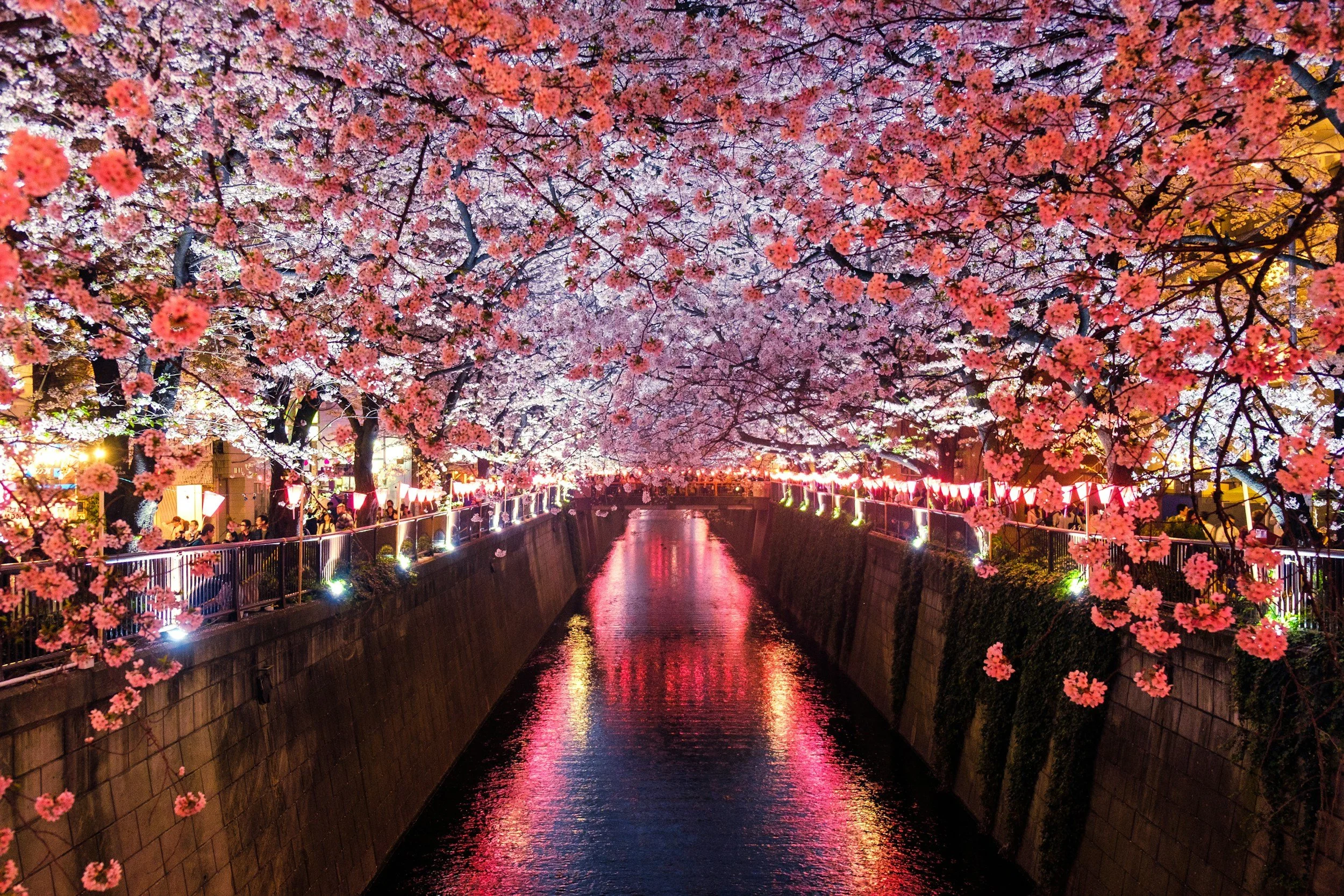
Cherry blossoms (sakura) blooming over a waterway in Japan during spring golf season
From late March into April, Japan's cherry blossoms — sakura — transform golf courses into something closer to a painting than a fairway. Courses with mature tree lines, particularly those in the Kanto and Kansai regions, frame their holes in pink for a few short weeks each year. Temperatures are mild, humidity is low, and course conditions are typically at their best after a full off-season of maintenance.
The catch: sakura season is short, weather-dependent, and wildly popular — not just with golfers, but with the entire country. Hotels, transport, and tee times across the board tighten up considerably, and the best courses often have their prime-season slots claimed well in advance.
Autumn: Koyo, or Fall Foliage Season
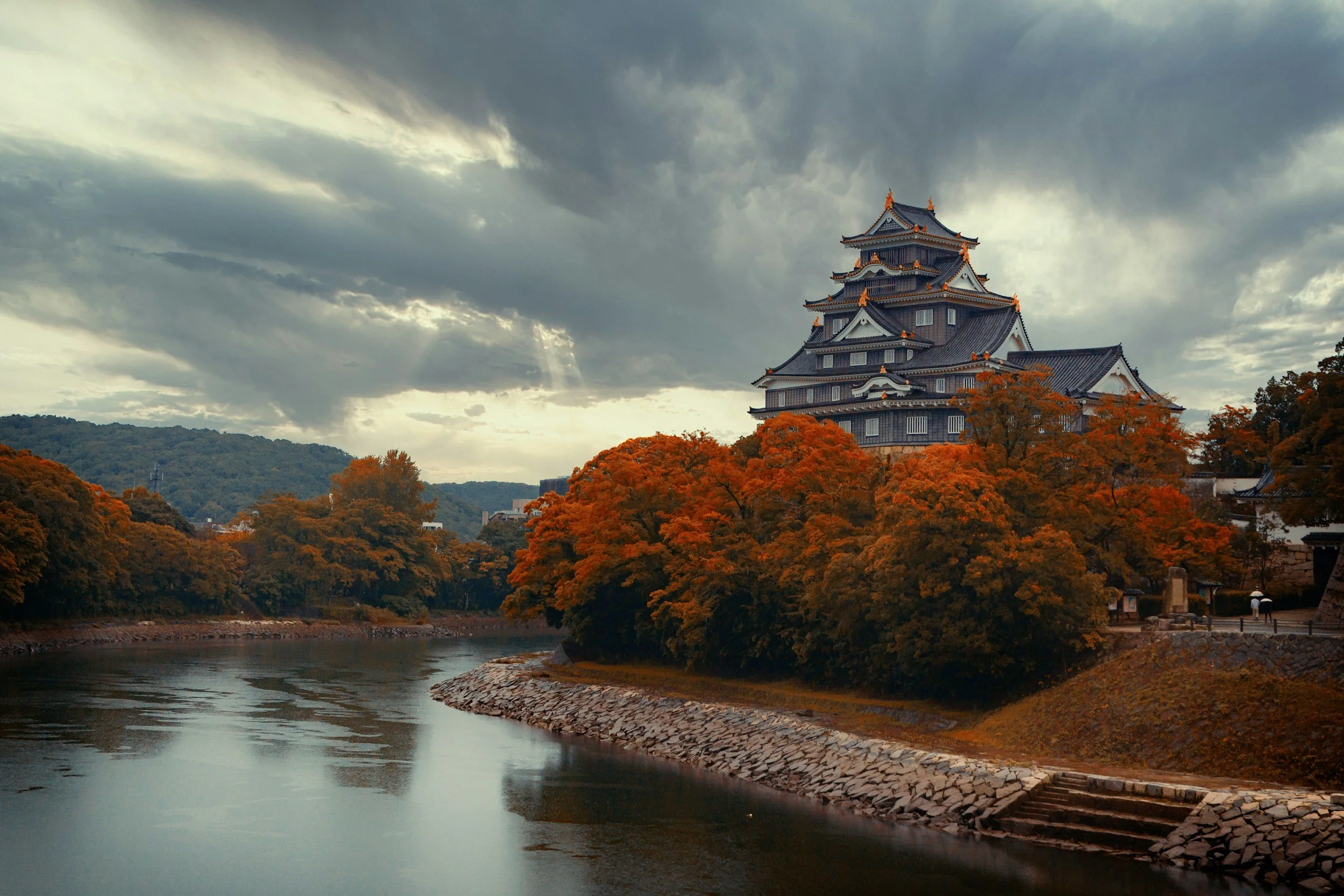
Koyo fall foliage season in Japan — a top time for golf travel
If spring is Japan's soft opening, autumn is its finale. From late October through November, koyo — the turning of the leaves — sets the country's mountainous golf regions ablaze in red, orange, and gold. Courses set against volcanic terrain or highland forest, like those near Hakone or in the Nagano highlands, are especially striking during this window. Cooler temperatures also make for some of the most comfortable playing conditions of the entire year.
As with spring, autumn's popularity means demand outpaces supply at the courses worth traveling for. Peak-week tee times at well-known clubs can be gone months ahead of the season itself.
Summer and Winter: The Quieter (and More Flexible) Alternatives
Summer in much of Japan brings heat and humidity that can make an 18-hole day a genuine endurance test, though northern regions like Hokkaido offer a cooler, increasingly popular alternative during this stretch. Winter, meanwhile, closes many mountain courses entirely, but milder coastal and southern regions can still offer playable — and considerably less crowded — golf for those willing to travel off the beaten path.
For golfers whose priority is availability and value over peak scenery, these shoulder seasons are worth serious consideration.
Planning Around the Calendar, Not Against It
The single biggest mistake foreign visitors make when planning a golf trip to Japan is treating booking like an afterthought — something to sort out once flights and hotels are locked in. For the courses and seasons worth traveling for, it needs to happen the other way around.
A golf concierge that already understands the calendar — which courses turn spectacular in April, which highland clubs are worth chasing in November, and how far in advance each one needs to be locked in — removes the guesswork entirely.
See our featured golf experiences →
Ready to build your trip around the season that suits you best?
